Spend enough time around markets and you’ll notice something uncomfortable.
The gap between a profitable trader and a struggling one is rarely raw intelligence. It’s rarely access to information. It’s rarely even strategy.
It’s temperament.
Look at elite sport. Almost every player in the Indian cricket team is world class. Almost every forward in a top European football club is technically brilliant. The difference between a good player and a generational one isn’t skill alone. It’s psychological endurance.
Virat Kohli once said, “Self-belief and hard work will always earn you success.” What people miss is the first half of that sentence. Self-belief isn’t noise. It’s stability under pressure. Kohli has gone through public slumps where every innings was scrutinized. The skill didn’t disappear. The challenge was internal.
Cristiano Ronaldo is another example. His physical gifts are elite, but so are many others in top leagues. What separates him is obsessive preparation and mental resilience. Sir Alex Ferguson once described him as someone who “wants to be the best every single day.” That consistency of mindset is rare.
Trading works the same way.
Most traders know how to read a chart. Most understand risk-reward. Most have seen the same technical patterns. Yet only a minority survive long term.
Why?
Because trading is not an IQ test. It’s a psychological endurance sport.
Every Trader Has a Scar Story
If you talk privately to experienced traders, you’ll hear a common confession: at some point, they wiped out an account or came dangerously close.
It’s almost a rite of passage.
Not because they were foolish. But because markets test ego and patience in ways few professions do. A trader who hasn’t experienced a major drawdown often hasn’t been fully tested yet.
The ones who survive aren’t the ones who never fall. They’re the ones who study themselves after they fall.
That’s the difference.
The Real Skill: Position Sizing
There’s a sweet spot in trade sizing that nobody teaches well.
If you size too small, you feel regret when the trade works.
If you size too large, you feel panic when it moves against you.
The optimal size sits somewhere between ambition and psychological tolerance.
It’s not just a mathematical decision. It’s an emotional calibration.
You can calculate volatility-based sizing or fixed fractional risk all day long. But when the screen starts flashing red and your P&L swings more than your comfort zone allows, theory collapses.
The right size is the one that allows you to execute your plan without emotional distortion.
And that level is different for every trader.
The Dangerous Moment After a Big Win
One of the most consistent patterns in trading is this: the worst mistakes often follow the best runs.
After a huge winning streak or a standout trade, something subtle shifts. Confidence becomes overconfidence. Discipline becomes loosened. The next trade is taken with more size, less patience, or a weaker setup.
In performance psychology, this is called the overconfidence bias. Studies in behavioral finance have repeatedly shown that traders increase risk after gains and become overly conservative after losses. Both reactions damage expectancy.
Professional athletes are trained to reset after big wins. They celebrate briefly, then return to routine. Traders need the same ritual.
A win is just one data point.
If you don’t treat it that way, it becomes the seed of your next drawdown.
When to Take Real Risk
There’s also a counterintuitive truth in trading.
When your account is small, calculated aggression can make sense. A once-in-a-cycle opportunity, the kind that appears rarely, may justify stepping outside your usual caution.
Think of extraordinary dislocations in history, like oil futures briefly trading below zero in 2020. Those moments don’t show up every quarter.
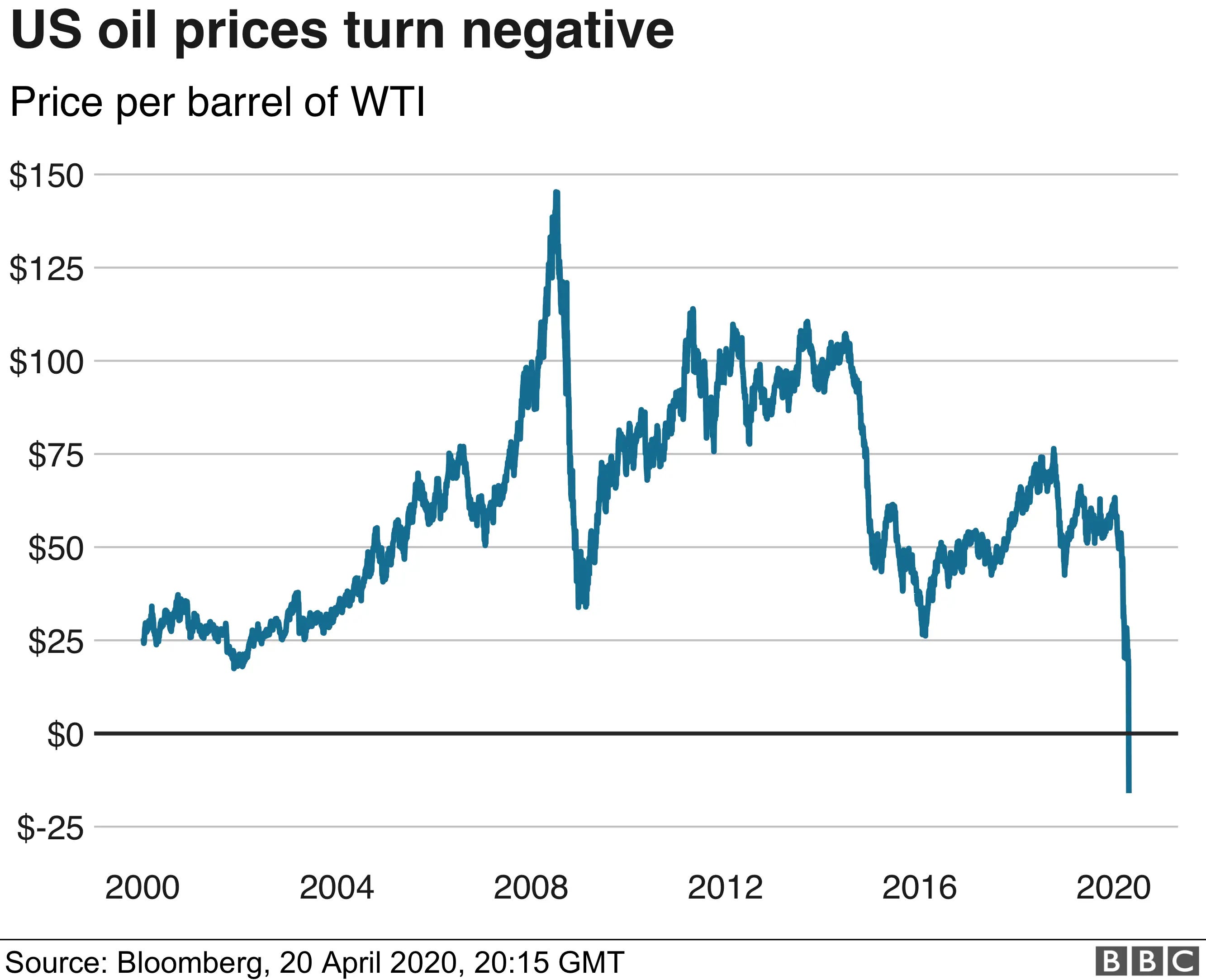
But this isn’t recklessness. It requires clarity and conviction. It requires understanding that you can rebuild a small account, but you may not see that exact structural anomaly again.
The key word is selective.
Professionals don’t swing wildly at everything. They wait. Then they commit decisively when the edge is exceptional.
Models Are Helpful. Reality Is Messy.
Every serious trader builds systems. Backtests. Models. Risk frameworks.
But markets are not laboratory environments.
A single unexpected political comment, regulatory surprise, or geopolitical shock can invalidate beautifully designed models in minutes.
Statistics give you probabilities. They don’t give you certainty.
That’s where intuition enters. Not as gambling instinct, but as pattern recognition built over thousands of hours of screen time.
Elite athletes study film, data, biomechanics. But in the final second, they react. The preparation enables the instinct.
Trading is no different.
The Research on Why Most Traders Struggle
Academic studies across markets have repeatedly shown that a small minority of active traders generate the majority of profits. Many retail traders underperform broad indices, not because markets are impossible, but because behavioral errors compound.
Common drivers include:
- Overtrading after losses
- Increasing size after wins
- Failing to cut losers quickly
- Inconsistent risk management
- Emotional decision-making under stress
None of these are technical analysis problems.
They’re behavioral.
Which means improvement doesn’t just come from better indicators. It comes from better self-awareness.
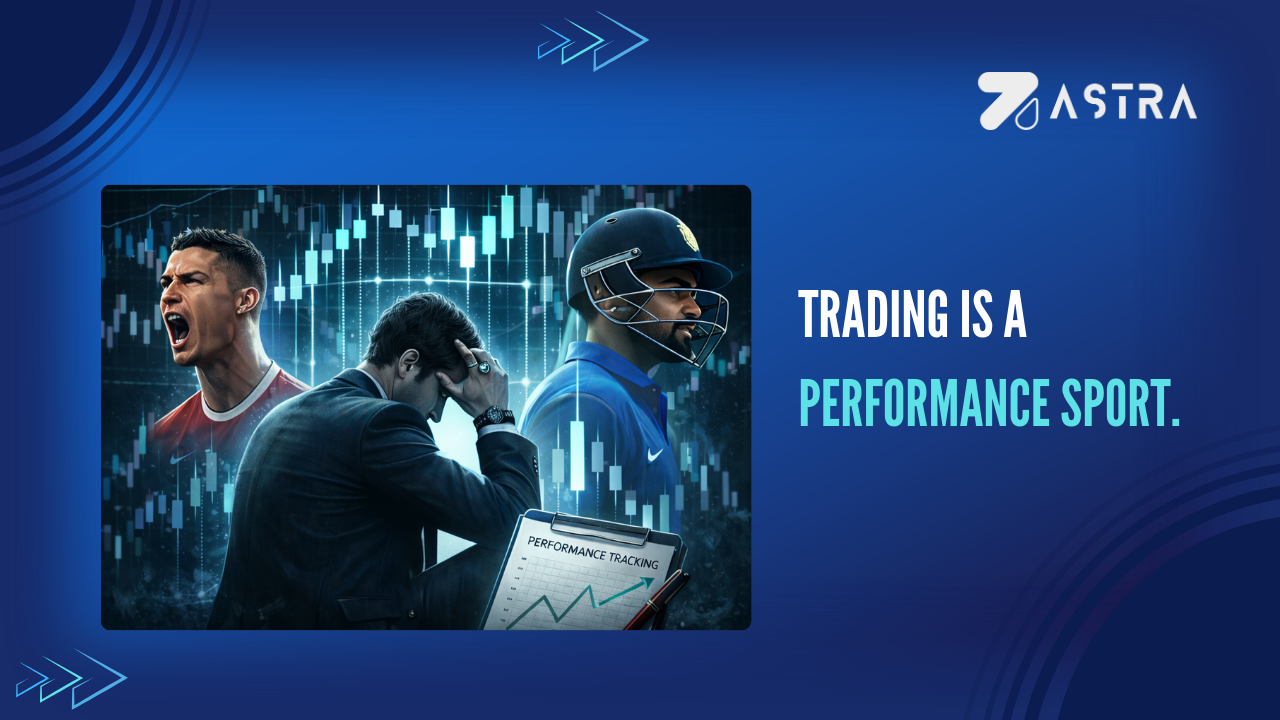
Trading Is a Performance Sport
If you reframe trading as a performance sport, everything changes.
Athletes track everything. Sleep. Recovery. Nutrition. Practice sessions. Match statistics. Weakness patterns.
They don’t rely on memory to improve.
Imagine a cricketer trying to refine technique without reviewing footage. Or a footballer ignoring match data.
Yet many traders operate exactly like that. They remember their best trades. They forget their worst decisions. They rely on feelings instead of logs.
Performance without measurement is storytelling.
Performance with measurement becomes improvement.
This Is Where Most Traders Fall Short
They track P&L.
They don’t track behavior.
They know their profit for the month.
They don’t know their average risk per trade.
They don’t know how they perform after three consecutive losses.
They don’t know whether they trade worse when sleep deprived or emotionally charged.
That’s like an athlete tracking final scores but ignoring shot selection, stamina, or mental state.
If you want to improve, you need data about yourself, not just about the market.
This is exactly why structured journaling and performance analytics matter. When you start seeing patterns in your own decisions, the game shifts. You stop blaming volatility. You start refining execution.
Tools that automatically break down trade history, risk consistency, streak behavior, and psychological inputs aren’t a luxury. They’re a competitive advantage.
At ASTRA, this is the philosophy we’re building around - treating traders like performance athletes, not gamblers staring at charts. The goal isn’t just more trades. It’s better decision-making under pressure.
The Hard Truth
Talent is common. Emotional control is rare.
In sport, the difference between good and legendary is mental resilience.
In trading, it’s the same.
The market doesn’t reward the smartest person in the room.
It rewards the one who can stay stable when everyone else spirals.
And stability isn’t accidental.
It’s trained.
It’s tracked.
It’s refined.
If you’re serious about trading long term, stop asking, “What’s the next setup?”
Start asking, “Who am I when I’m under pressure?”
Because that version of you is the one that determines your equity curve.